



What Top Universities Are Really Looking For
When people think about admission to top universities, they often think about GPA and test scores.
These are a necessary standard, but the most competitive universities in the United States consistently look for one defining quality in students: leadership.
Not leadership in the sense of controlling others or holding a title.
Instead, universities are looking for students who demonstrate the ability to lead themselves.
|
|---|

“We seek evidence of sustained commitment and leadership in school and community activities.” Stanford Website
|
|---|


“You should be able to describe your leadership skills with particular relevance to communication and interpersonal skills as well as an aptitude for … leadership qualities such as initiative, commitment, responsibility, originality, creativity and risk-taking.” Oxford Website
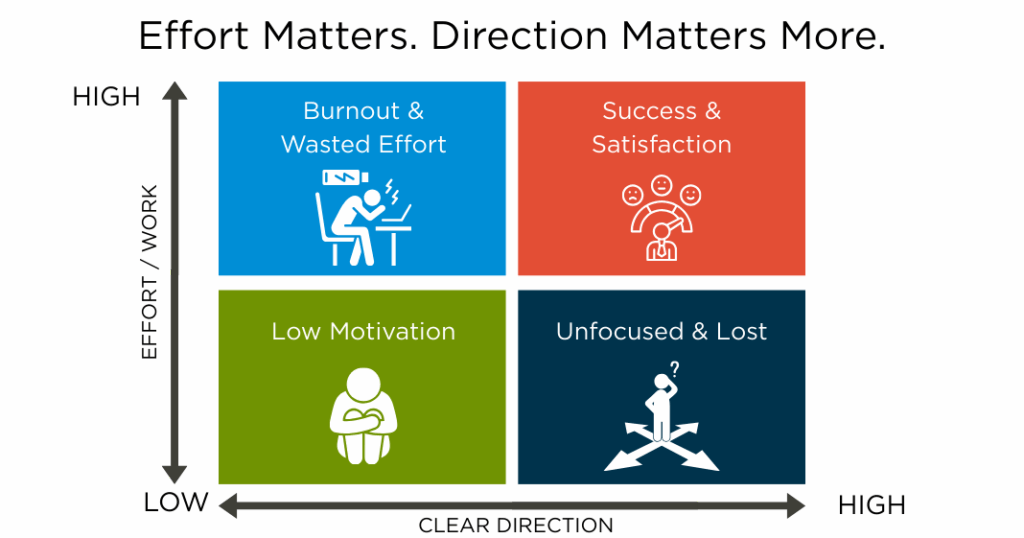
High-achieving students often learn how to work hard. But the most successful students also learn how to work in the right direction.
A student can earn excellent grades, complete every assignment, and still feel uncertain about their future. Without clarity about their strengths, values, and goals, it is easy to spend years pursuing the wrong path.
Today there are millions of meaningful and well-paying careers available. The real question becomes:
Which path is right for you?
Students who take time to reflect on this question are better able to focus their energy, make informed decisions, and pursue opportunities that truly fit them.
Why Leadership Matters for Careers
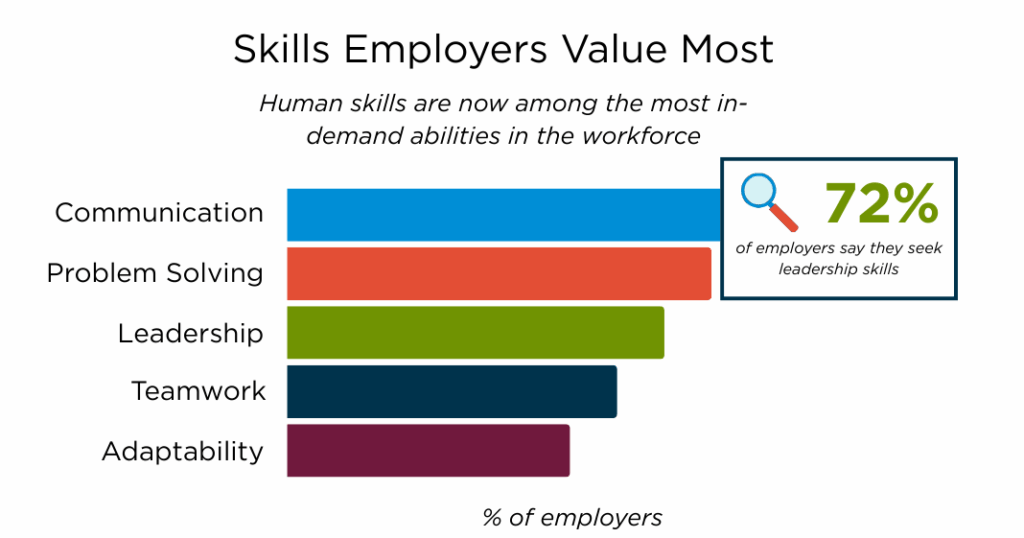
The same quality universities value is also the quality modern employers are actively seeking.
Across industries, companies consistently say they are looking for employees who can:
- Take initiative
- Adapt to new challenges
- Collaborate with others
- Make thoughtful decisions
In other words, they are looking for leaders.
In a rapidly changing economy, technical skills alone are not enough. Technologies evolve quickly, and industries transform every decade.
What remains valuable are the human abilities that allow people to navigate change, solve problems, and guide themselves through uncertainty.
Leadership in Practice: Global Academy at Guilford College
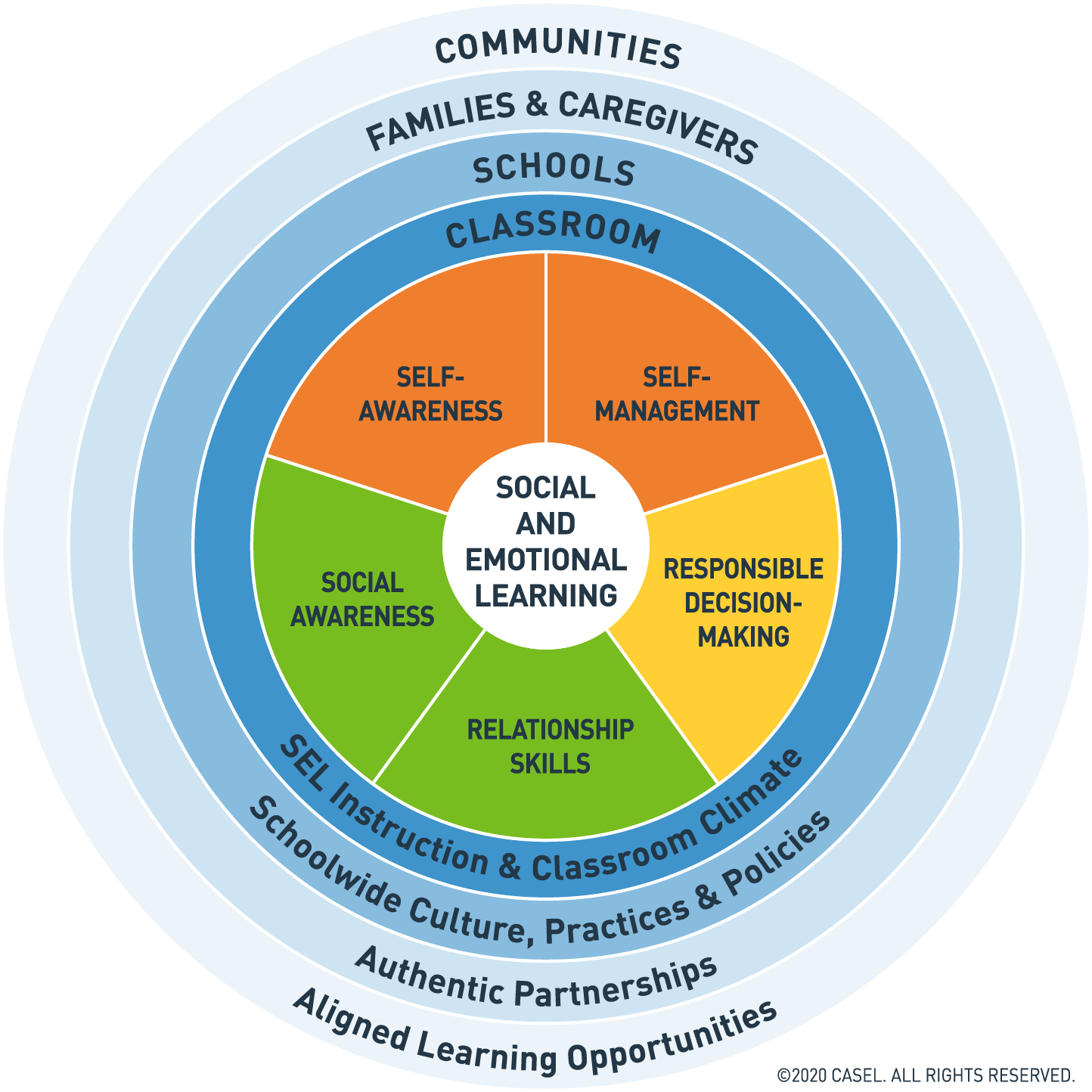
Students work through five areas of Social Emotional Learning (SEL).
These skills support both personal growth and leadership.
At Guilford College, students in the Global Academy complete a Foundations of Ethical Leadership course.
This program combines:
- Community service
- Reflective writing
- Real-world problem solving
The course is built on two key frameworks:
Principled Problem Solving
CASEL Social Emotional Learning (SEL)
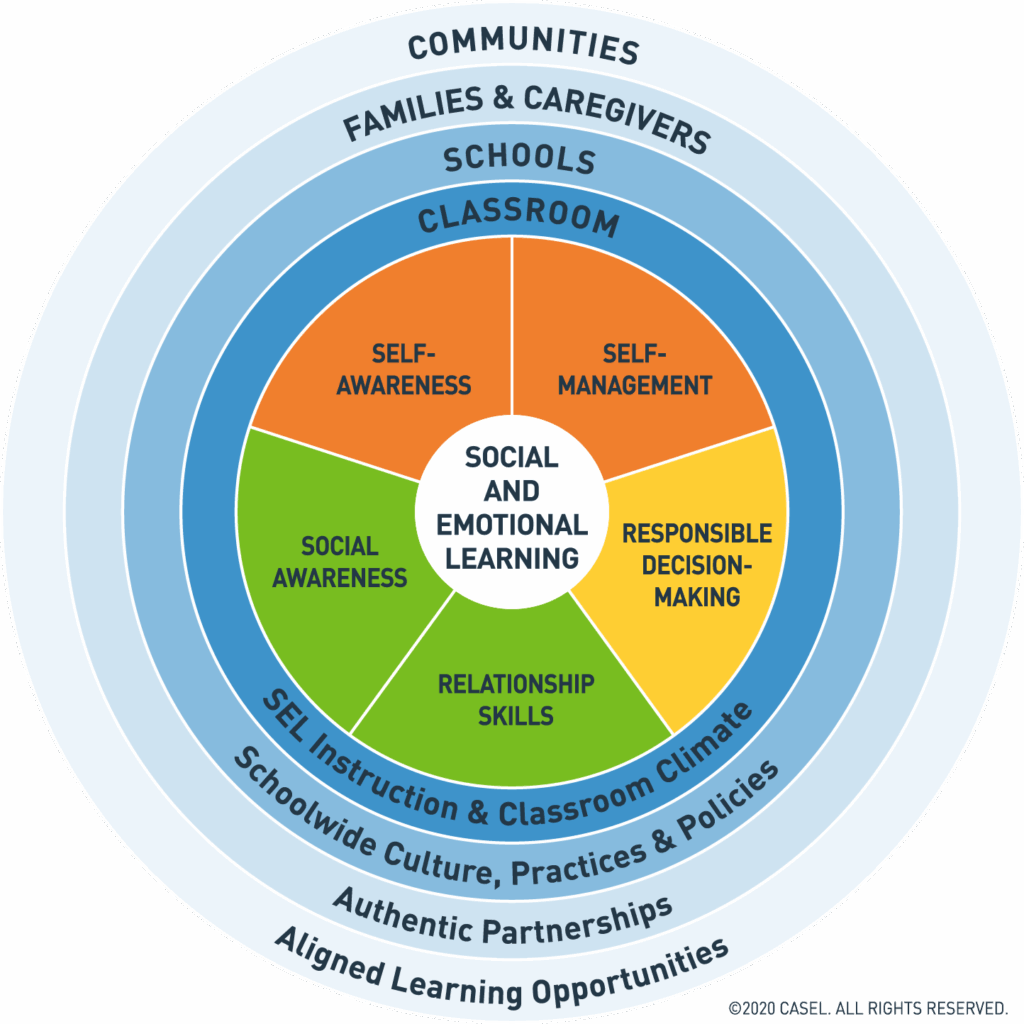
These frameworks help students develop the skills needed to lead themselves and work effectively with others.
The Five Core Leadership Skills Students Practice
Students work through five areas of Social Emotional Learning (SEL).
These skills support both personal growth and leadership.
Self-Awareness
Students explore who they are and what shapes their perspectives.
This includes:
- Understanding personal strengths
- Recognizing emotions
- Reflecting on cultural background and identity


|
|---|
Social Awareness
|
|---|


|
|---|
|
|---|

Why Reflection Matters
A major part of the program isreflection.
In everyday life, it’s easy to move from one task to another without stopping to think about what and why we are learning.
Students often feel like events simply happen to them.
Reflection helps students recognize something important:
They have agency 主动性 tính chủ động
Through reflection, students begin to see that they can shape how they respond to challenges, make decisions, and grow from experiences.
This creates space for students to slow down, ask questions, and think more deeply about their experiences.
In a fast-paced world filled with constant noise and distraction, creating this space for reflection is essential.
It helps students become not only strong learners—but thoughtful leaders.

Preparing Students for What Matters Most
Top universities are not simply looking for students with strong grades.
They are looking for students who demonstrate the ability to lead themselves—students who are reflective, self-aware, and able to grow through challenges.
These are the same skills the Global Academy at Guilford College seeks to develop through its Foundations of Ethical Leadership program.
Through reflection, community engagement, and real-world problem solving, students begin to build the habits that help them navigate complex challenges, make thoughtful decisions, and contribute meaningfully to their communities.
Ultimately, leadership is not about titles or authority. It begins with understanding oneself and developing the confidence to shape one’s own path.